321 Technology
Following Paul’s First Missionary Journey in Bible Map Explorer
Some journeys change the traveler. Others change the world.
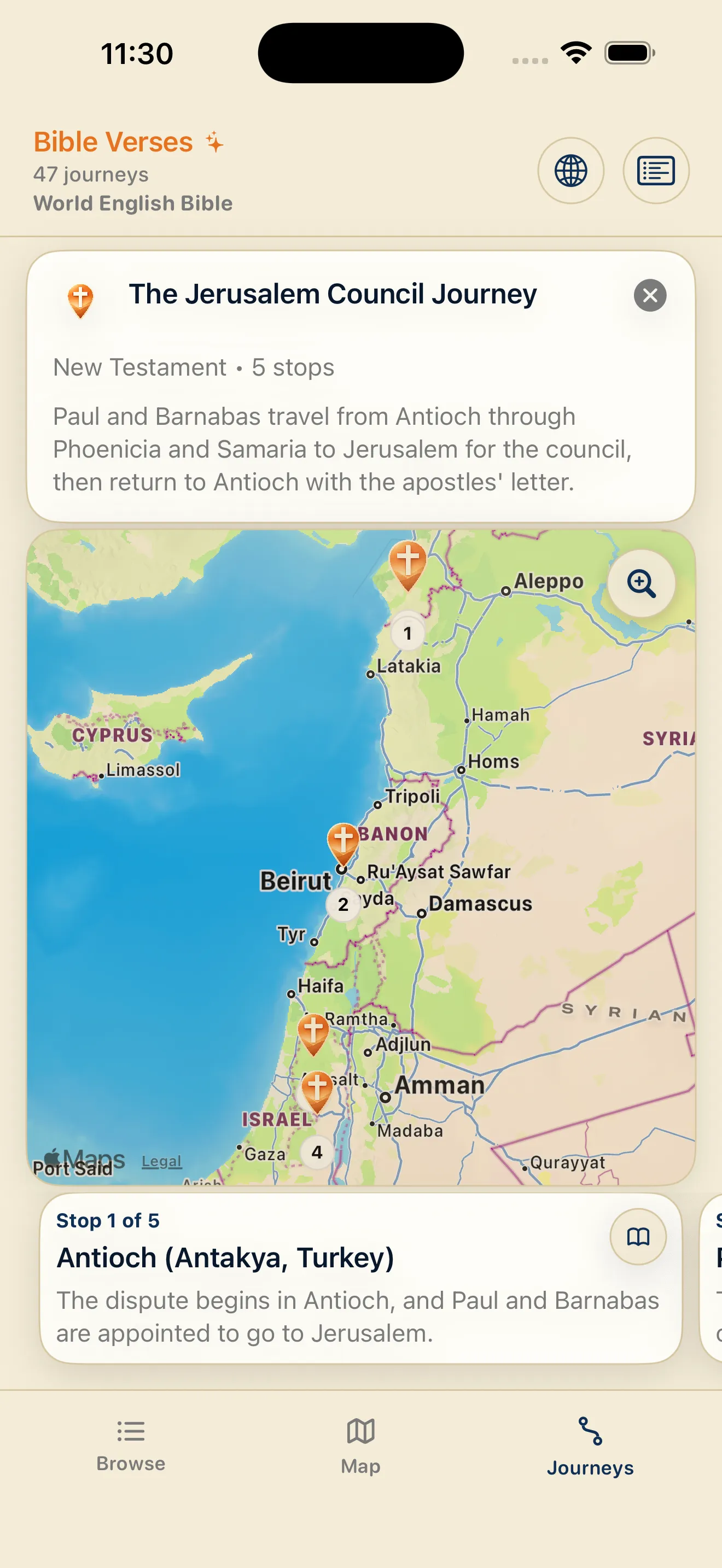
Paul’s First Missionary Journey is one of the most important journeys recorded in Scripture. Over the course of a single expedition, Paul and Barnabas traveled hundreds of miles by land and sea, carrying the message of Jesus into cities that had never heard the Gospel. Today, you can follow that same route one stop at a time in the Journeys feature of Bible Map Explorer.
As you explore the map, here are five stops you won’t want to miss.
1. Antioch — Where the Journey Began
Every great adventure has a starting point.
Paul didn’t simply decide to set out on his own. The church at Antioch prayed, fasted, and sent him and Barnabas on their mission.
“Now in the assembly that was at Antioch there were some prophets and teachers…” — Acts 13:1 (WEB)
This was more than the beginning of a trip—it marked the beginning of Christianity’s first organized missionary journey.
In Bible Map Explorer: Start here to see where the journey began before following the route to the Mediterranean coast.
2. Paphos — When a Roman Official Believed
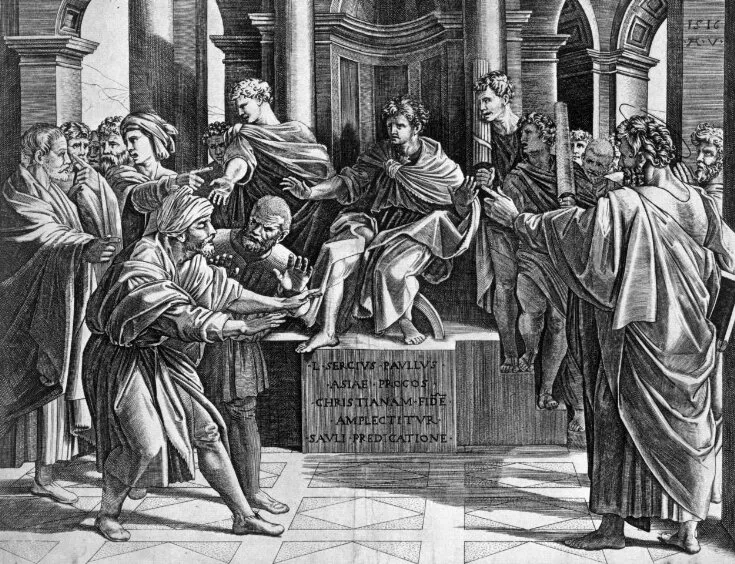
After sailing across Cyprus, Paul arrived in Paphos, where he encountered a Jewish sorcerer named Elymas. The confrontation ended with the Roman governor, Sergius Paulus, believing Paul’s message.
“When they had gone through the island to Paphos, they found a certain sorcerer, a false prophet, a Jew whose name was Bar Jesus.” — Acts 13:6 (WEB)
This moment demonstrated that the Gospel was reaching not only ordinary people but also influential leaders within the Roman Empire.
3. Pisidian Antioch — Paul’s First Recorded Sermon
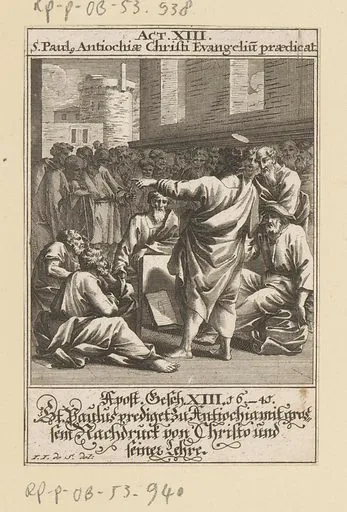
Leaving the coast behind, Paul traveled into the mountains to Pisidian Antioch. Here he delivered his first recorded sermon in Acts, explaining how Jesus fulfilled God’s promises throughout Israel’s history.
“But they, passing on from Perga, came to Antioch of Pisidia. They went into the synagogue on the Sabbath day and sat down.” — Acts 13:14 (WEB)
The response was dramatic. Many believed, while others opposed Paul’s message—a pattern that would repeat throughout his ministry.
4. Lystra — From Hero to Outcast
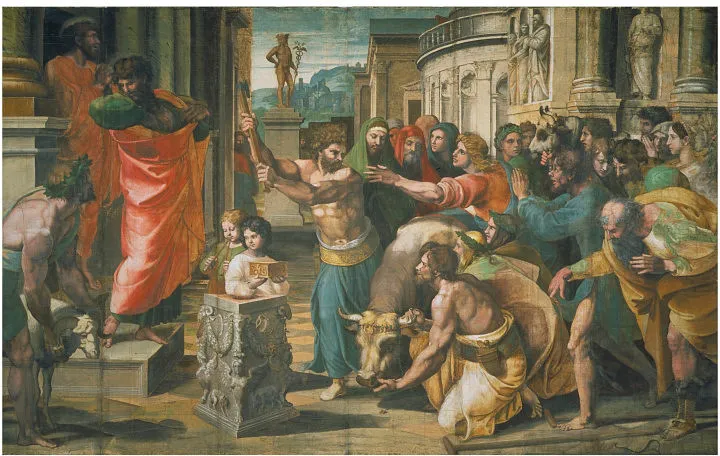
Lystra may be the most remarkable stop on the entire journey.
After Paul healed a man who had never walked, the crowd tried to worship Paul and Barnabas as gods. Not long afterward, opponents persuaded the same crowd to stone Paul and leave him for dead.
“At Lystra a certain man sat, impotent in his feet, a cripple from his mother’s womb, who never had walked.” — Acts 14:8 (WEB)
Rather than ending the mission, Paul got up and continued preaching.
5. The Journey Home
Instead of taking the shortest route home, Paul deliberately revisited many of the same cities where he had faced opposition.
His purpose wasn’t simply to move on—it was to encourage the new believers and strengthen the churches they had established together.
“When they had preached the Good News to that city and had made many disciples, they returned to Lystra, Iconium, and Antioch.” — Acts 14:21 (WEB)
That return trip reminds us that lasting work often requires perseverance as much as courage.
Explore the Complete Journey
These five stops are only part of Paul’s First Missionary Journey.
Open the Journeys feature in Bible Map Explorer to follow the complete route from Antioch through Cyprus and Asia Minor, explore every stop on an interactive map, and read the Scripture connected with each location.
It’s a fascinating way to see how geography and the biblical narrative come together—one journey, one city, and one verse at a time.